
Ringo Share
Bringing young urban professionals and rural farmers closer together (and bear fruit)
%20(15).png)
Moon Creative Lab is a venture studio (subsidiary of Mitsui & Co.) that funds & incubates early stage startups. They were seeking for a new business idea with market potential.
Along with a team of 3 other consultants, we researched ways to transform grocery shopping experiences in urban centers and foster more communication between shoppers with farmers. The goal of the project was to pitch to Moon Creative Lab the market potential for a product like this.
We were able to pitch the idea to Moon Creative Lab which was then implemented as a business venture idea that was then implemented in SMAP (Moon Creative Lab's digital platform for employees within companies to exchange and develop buisiness ideas).

Ringo Share is a companion app designed to connect urban professionals with rural farmers. The app enables users to purchase fresh produce, explore farmers’ stories, and pre-order items for convenient pick-up at urban markets. A key element of our final solution was integrating app functionality to enhance accessibility and streamline the experience.
Read more to learn about the details of the app ↓


One of the key pain points we identified in urban grocery shopping is the lack of convenient access to fresh produce.
Our solution not only gives rural farmers an online presence, but also integrates their stories directly into the shopping experience allowing users to learn about the farmers while placing orders for delivery or pickup.
After synthesizing all our different ideas, our group came up with a urban farmers market with an app integration. While the end goal is to have a physical store, we acknowledge that there can be different levels of integrations that may start with an appropriation of existing urban space.

The key experience was also to integrate a space to traditional grocery stores to learn about the farmer and the produce.
The floor plan outlines our central visions we had in the app : creating a 'connecting center' where you can spend leisurely time getting to connect with farmers and explore new food while being surrounded by shopping aisles .
.png)

There was a potential business opportunity to adapt existing space and integrate our floor plan. Pocket parks are small, active public spaces created in the existing public right-of-way. They can be located in medians, curb extensions, or in the furnishings zone on sufficiently wide sidewalks.


One of the pain points were that they find trying new fresh produce can be an intimidating experience. We wanted to create physical space to let farmers sample food using their produce and use it as a way to connect with their consumers
The pick up corner and cashier is where consumers can check out the produce they pick up at the farmers booth / aisle or pick up the produce they checked out on the app
our concept was to marry together convenience of grocery shopping while also making it a rewarding experience for both farmers and customers. The free flowing access from the aisle and the connecting center allows consumers to spend as much leisure time as they want while getting necessary groceries.


Finally, by integrating the app with the physical grocery shopping experience, urban professionals can be invited to shop in-person and invest more time in connecting with farmers and their produce
.png)

1. The companion app will facilitate buying from rural farmer and be integrated with the physical grocery store experience.
2. Young urban professionals have more accessibility to urban markets and stories of the farmers from any location.
3. Inviting consumers to shop at urban markets and feel connect with local farmers.
⌲ Rural farmers have a hard time reaching the market and don't know how to expand their customer base
⌲ Direct consumer to producer sales are small: 35% of direct farm sales were to consumers (USDA)
⌲ About half of farms that sell directly to consumers are in metropolitan counties, and more than 80% sell within 100 miles of the farm.
⌲ "Experience Economy" is booming: 78% of young urban professionals prefer the experience of buying local produce
⌲ 22% increase in online agricultural-commerce during pandemic

%20(28).png)
Each produce has a story behind it: whether it is about the farming technique used to grow the food or about the farmer. But these things go mostly unrecognized in conventional supermarkets.
Our goal was to help consumer to get fresh produce and allow them to feel part of the experience of growing food, as well as help producers to expand their customer base and share their stories.


The typical amount of time people spend while getting groceries.
Over 60% of survey respondents said they hope to spend at most 30 minutes or less on grocery shopping.
buy groceries online as a way to save time
Survey respondents said they buy groceries online because they find it difficult to budget time in their day to shop in-person.
report a negative experience with online groceries
Many survey respondents expressed concerns about produce quality, freshness, and not being able to choose their own items.
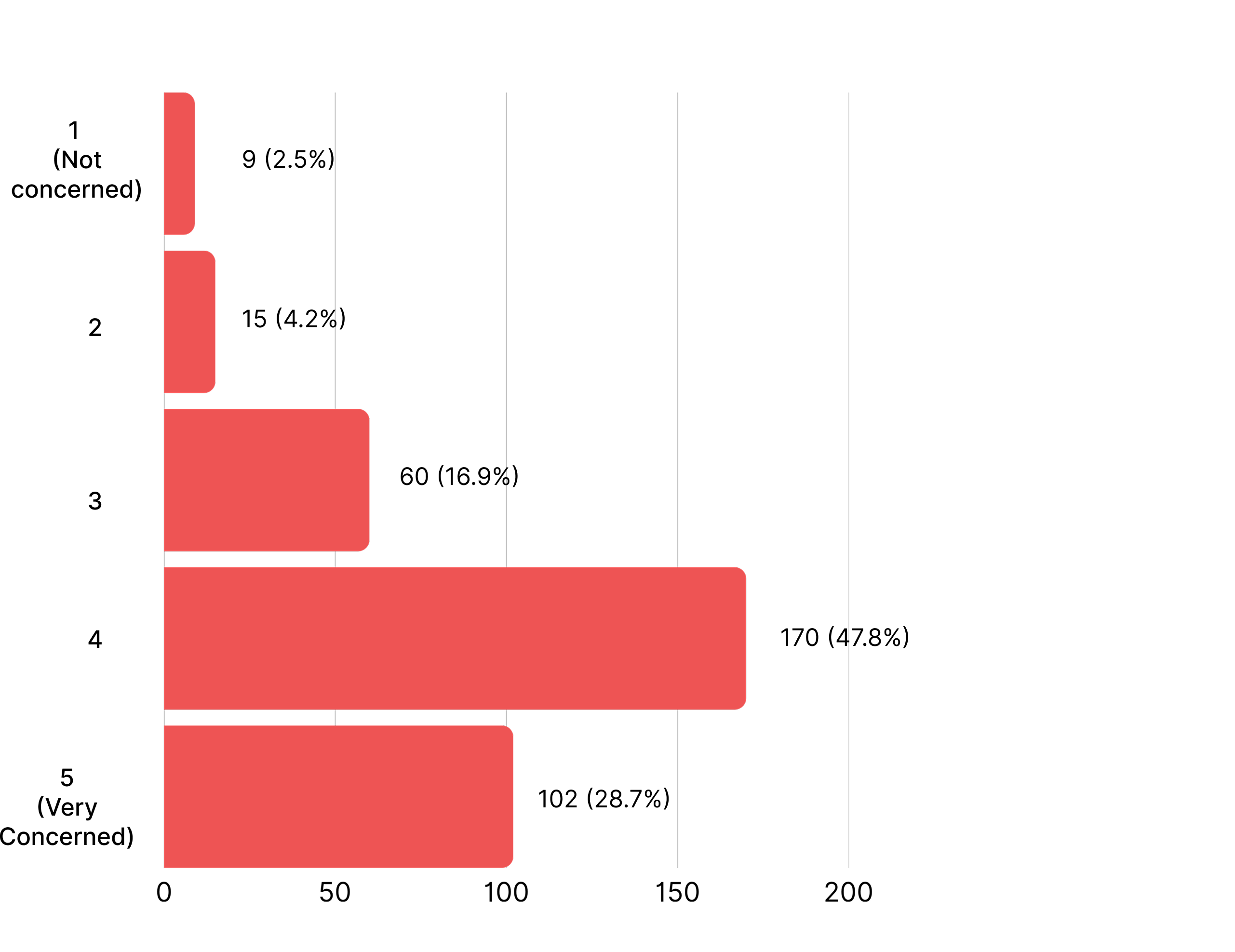
expressed they are "concerned" with the source of their produce
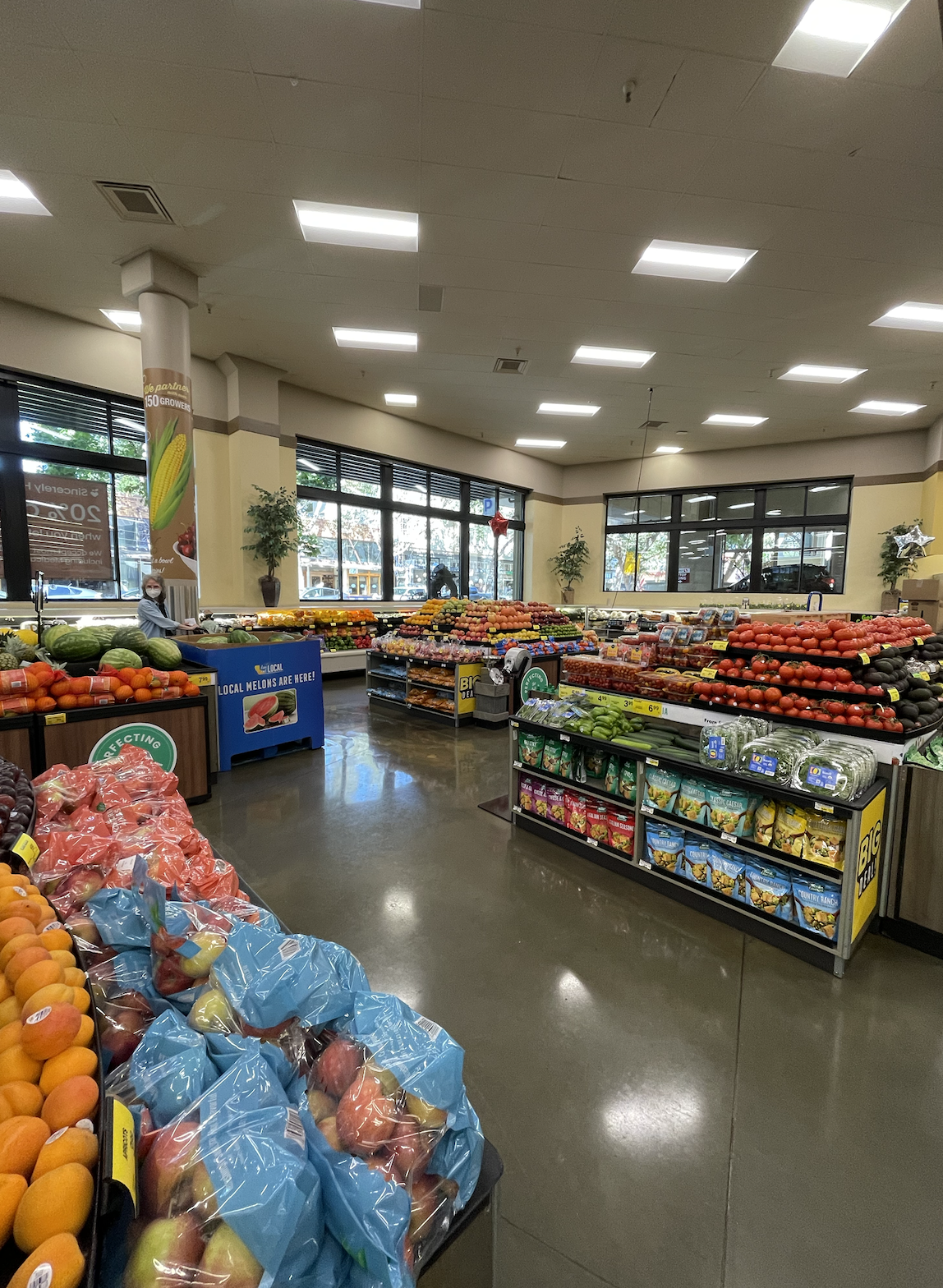
- The physical set up is made to scan all items at once
- No information/ very little information of the producer or produce
- People take more time picking out each produce
- Young adults also have conversation with the vendor owners

“We would be wanting to learn more about where are food comes from but accessibility is always big”
"Farmers markets in cities are just not frequent and there is no way of knowing what is in stock"
" I worry about having a third party distribute our produce because they often don't handle it with care"
"reaching customers in cities are difficult. You have to get creative like using the internet nowadays to share our story"


With our group, we conducted ideations sessions where we first synthesized key concept based on our insights, brainstormed all our ideas, and then chose the ones we want to continue to build on.

we then used the 2x2 matrix to assess all the ideas the team has brainstorm. The 4 criteria for this matrix was decided by what the group believed are central to the project goals/ client needs.
.jpg)
The user flow diagram for farmers plans out a more sustainable distribution model between farmers and the distributors (Moon)
.png)
The user flow for urban professionals demonstrates how the service app integrates with the physical urban shopping experience. It is based on the service app and reimagined urban market that we both designed.


One of the most valuable experience of working on this project was collaborating in such a diverse group with my peers and and the consistent exchange of feedback. I got to immerse myself in various research methods and constantly engaging in conversations about how to transform grocery experiences
My unique contribution to the project:
As an architecture major, I was happy to bring in my expertise about physical design and space design. I was able to create physical renderings to visualize how a 'space' that integrate both the storytelling aspect of grocery shopping and the convinience of getting groceries would look like
What I still would have liked to improve:
I think something we could have thought about more was the business opportunity and viability of a solution like this. While I think that building the ringo market from ground up may take a while, it was important that our solution conveys the central concept of what a new shopping experience would look like. This could have different levels of integration such as appropriating existing space or adaptations to existing space that incorporates aspects highlighted in the floor plan. It could also mean businesses to start with the app integration and then work towards the in-store experience.


